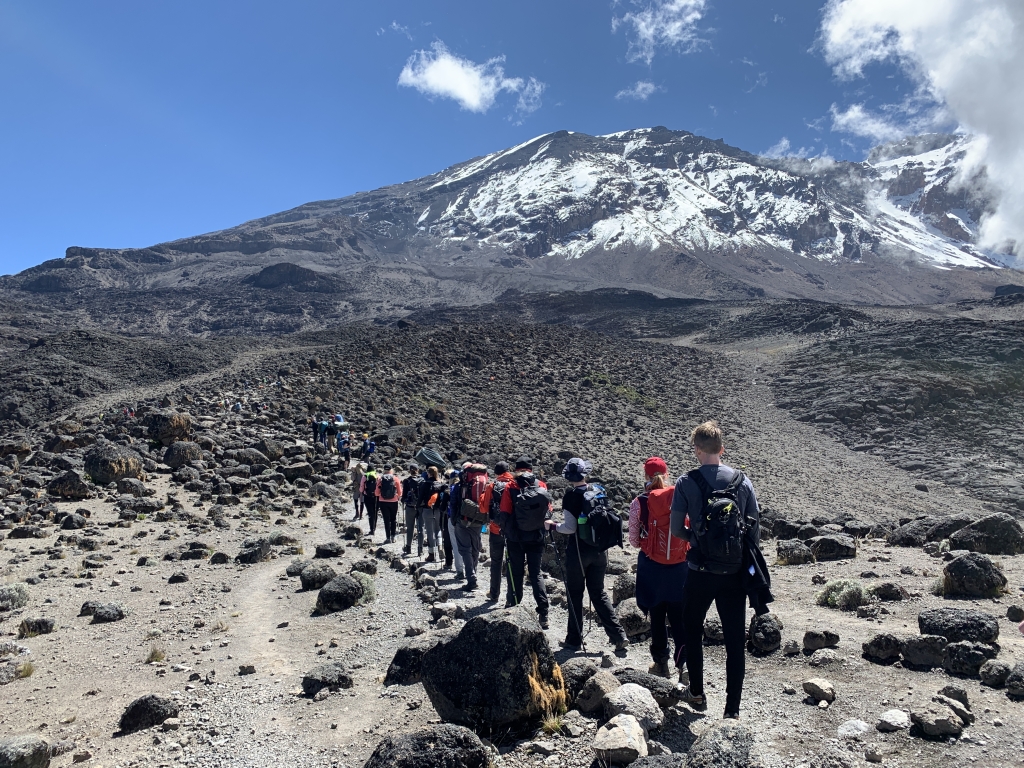
How to Plan Your Mount Kilimanjaro Trek
Your Complete Guide to Preparing for the Roof of Africa
Climbing Mount Kilimanjaro is an extraordinary adventure, but a successful trek begins long before you arrive in Tanzania. From choosing the right route and season to preparing your body, selecting the right gear, and understanding altitude acclimatization, thoughtful planning can make your experience safer, more comfortable, and more enjoyable.
At Gladys Adventure, we help travelers prepare for every stage of their Kilimanjaro journey. Our experienced local mountain team can guide you through route selection, equipment preparation, accommodation, transfers, meals, and mountain logistics so you can focus on the adventure ahead.
1. Choose the Right Kilimanjaro Route
There is no single route that is best for everyone. Your choice should depend on your fitness level, available time, trekking experience, preferred scenery, budget, and how much time you want for acclimatization.
Machame Route
Known as the “Whiskey Route,” Machame is one of the most popular Kilimanjaro routes. It offers beautiful scenery and a good acclimatization profile, making it suitable for many first-time trekkers.
Best for: Scenic trekking, good acclimatization, and travelers looking for a classic Kilimanjaro experience.
Lemosho Route
Lemosho is known for its beautiful landscapes, quieter beginning, and gradual approach to the mountain. It joins the Machame trail higher on the mountain.
Best for: Scenic trekking, gradual acclimatization, and travelers who prefer a longer mountain experience.
Marangu Route
The “Coca-Cola Route” is the only major Kilimanjaro route offering overnight accommodation in mountain huts rather than tents.
Best for: Travelers who prefer hut accommodation and a shorter itinerary.
Rongai Route
Approaching Kilimanjaro from the northern side, Rongai is generally quieter and offers a different perspective of the mountain.
Best for: A quieter trekking experience and travelers interested in the northern side of Kilimanjaro.
Northern Circuit
The Northern Circuit takes a longer route around the mountain, providing excellent acclimatization and a more remote trekking experience.
Best for: Maximum acclimatization time, spectacular scenery, and travelers with more time available.
Umbwe Route
Umbwe is a steep and challenging route with a more direct approach to the summit.
Best for: Experienced trekkers seeking a more demanding mountain adventure.
2. Decide How Many Days You Need
One of the most important decisions when planning Kilimanjaro is the length of your trek.
Although shorter itineraries are available, allowing more time on the mountain generally provides more opportunity for acclimatization. Your body needs time to adjust as you move from lower elevations toward the summit.
Most itineraries range from approximately 5 to 9 days on the mountain, depending on the route.
If you are a first-time high-altitude trekker, choosing a route with a gradual ascent and sufficient acclimatization days is a sensible approach.
Remember: Reaching the summit is not simply about physical strength. Giving your body enough time to adapt to altitude is an important part of a successful trek.
3. Choose the Best Time to Climb Kilimanjaro
Kilimanjaro can be climbed throughout much of the year, but some months generally offer more favorable trekking conditions.
January to March
These months can provide relatively dry conditions and are often a good period for trekking. The mountain can also be quieter compared with peak months.
June to October
This is one of the most popular periods for climbing Kilimanjaro. The weather is generally favorable, particularly during the dry season.
November
Short rains can occur, but trekking remains possible. Some travelers prefer this period because the mountain is generally less busy.
December
Conditions can vary, with short rains possible early in the month and increasing popularity around the holiday period.
April and May
These are traditionally wetter months. Trekking is still possible, but trails can be wetter and conditions less predictable.
Planning tip: The best time for you depends on your schedule, preferred weather conditions, tolerance for crowds, and the route you choose.
4. Understand Kilimanjaro Altitude
Mount Kilimanjaro rises to 5,895 metres (19,341 feet) above sea level. The significant change in altitude is one of the biggest challenges of the trek.
As you climb higher, the air becomes thinner and your body receives less oxygen. You may experience symptoms such as headache, tiredness, reduced appetite, or shortness of breath.
This is why acclimatization is essential.
A good Kilimanjaro itinerary should allow your body time to adapt rather than rushing toward the summit.
The Golden Rule: Pole Pole
Your guides will often use the Swahili expression “pole pole,” meaning “slowly, slowly.”
Walking at a controlled pace helps conserve energy and gives your body more time to adjust to the increasing altitude.
Your guide may also encourage you to:
- Walk slowly and steadily
- Drink regularly
- Eat even when your appetite is reduced
- Rest when necessary
- Communicate any symptoms early
- Follow your guide's acclimatization advice
5. Start Training Before Your Trek
You do not need to be an elite athlete to climb Kilimanjaro, but preparation makes a significant difference.
Focus your training on endurance, strength, balance, and long-distance walking.
Recommended Preparation
Start training several weeks or months before your trek, depending on your current fitness level.
Include activities such as:
- Long-distance walking
- Hiking on hills or uneven terrain
- Stair climbing
- Cycling
- Jogging or brisk walking
- Leg and core strengthening
- Regular weekend hikes
Try to gradually increase the duration and difficulty of your training rather than doing intense workouts immediately before your trip.
Practice With Your Trekking Boots
Your boots should be comfortable and properly broken in before you arrive in Tanzania. Avoid starting a Kilimanjaro trek with brand-new footwear.
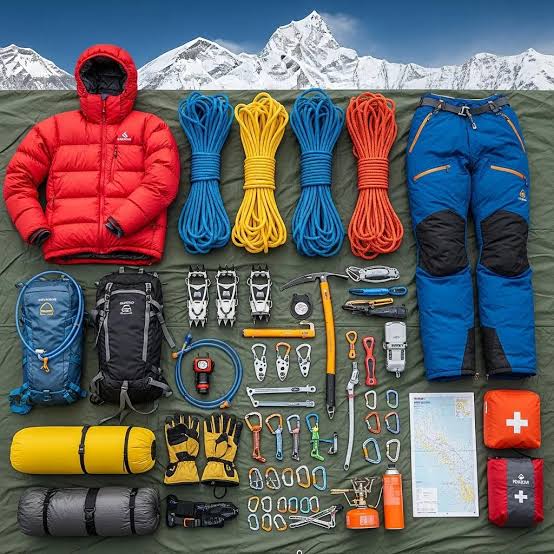
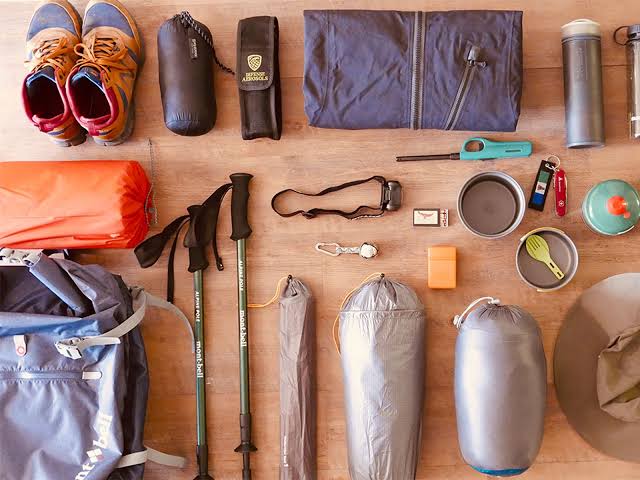
6. Prepare the Right Kilimanjaro Gear
Packing correctly is essential because mountain conditions can change dramatically during the trek.
You can experience warm conditions in the lower forest and freezing temperatures near the summit.
Essential Clothing
A practical layering system is recommended:
- Moisture-wicking base layers
- Warm fleece or insulating layer
- Waterproof and windproof jacket
- Trekking trousers
- Thermal underwear
- Warm down or synthetic jacket
- Waterproof trousers
- Warm hat and sun hat
- Gloves and liner gloves
- Comfortable trekking socks
Footwear
Bring:
- Broken-in hiking boots
- Comfortable camp shoes
- Gaiters if required
Sleeping & Camping Equipment
Depending on your chosen route and package, your trekking operator may provide essential camping equipment.
This can include:
- Sleeping tent
- Sleeping mattress
- Dining tent
- Camping tables and chairs
- Cooking equipment
Always confirm what is included before your trek so you know exactly what you need to bring.
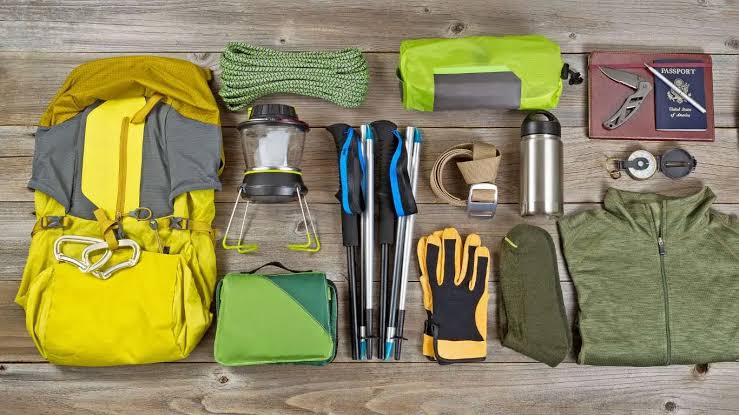
7. Don't Forget Your Personal Essentials
Your daypack should contain the items you need during the day's trek.
Consider carrying:
- Water bottle or hydration system
- Sunglasses
- Sunscreen
- Lip balm
- Headlamp
- Personal medication
- Small first-aid items
- Camera or phone
- Power bank
- Hand sanitizer
- Toilet paper and personal hygiene items
- Small snacks
Keep your daypack comfortable and avoid carrying unnecessary weight.
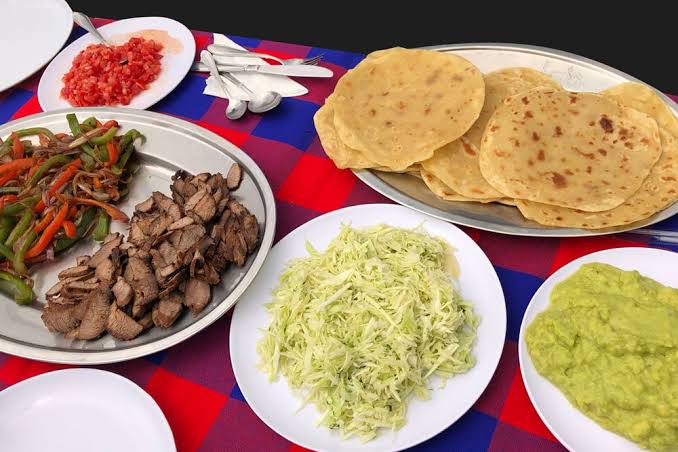
8. Hydration and Nutrition on Kilimanjaro
Food and water are important sources of energy throughout the trek.
Your body works harder at altitude, so regular hydration and adequate nutrition are essential.
Your mountain meals should provide a balance of carbohydrates, protein, fats, and fluids. Good trekking foods can include rice, pasta, potatoes, vegetables, soups, fruit, eggs, meat, and other energy-rich meals.
Drink water regularly throughout the day rather than waiting until you feel thirsty.
Your trekking company should explain how water is supplied and treated during the climb.
9. Prepare Mentally for Summit Day
Summit day is usually the most demanding part of the Kilimanjaro experience.
The summit attempt often begins around midnight, depending on the route and itinerary. You will trek through darkness and cold conditions toward the summit, with the goal of reaching Uhuru Peak at 5,895 metres around sunrise.
Expect:
- Cold temperatures
- Long hours of walking
- Steep terrain
- Thin air
- Slow progress
- Physical and mental fatigue
The key is to take the climb one step at a time.
Your guides will be there to monitor your progress, provide encouragement, and help you make sensible decisions throughout the ascent.
10. Prepare for Your Arrival in Tanzania
Your Kilimanjaro adventure begins when you arrive in Tanzania.
Most trekkers arrive through Kilimanjaro International Airport (JRO) and continue to Moshi or Arusha.
Before your climb, plan for:
- Airport transfers
- Hotel accommodation
- Trek briefing
- Equipment check
- Equipment rental if required
- Travel insurance
- Passport and visa requirements
- Emergency contact information
- Extra time before and after the trek
Arriving at least a day before your trek gives you time to rest, complete preparations, and meet your mountain team.
11. Choose a Responsible Kilimanjaro Operator
The trekking company you choose can have a major impact on your experience.
Look for an operator that provides:
Experienced Mountain Guides
Your guides should have strong knowledge of Kilimanjaro, mountain safety, altitude management, and emergency procedures.
Proper Safety Procedures
Ask about health monitoring, emergency communication, evacuation procedures, and guide-to-client ratios.
Responsible Porter Treatment
Choose a company committed to fair treatment and ethical working conditions for mountain crew.
Quality Equipment
Good tents, sleeping systems, cooking equipment, and safety equipment can make a major difference in comfort.
Transparent Pricing
Your quote should clearly explain what is included and what is not, helping you avoid unexpected costs.
12. Understand What Your Kilimanjaro Package Includes
Before making your booking, ask your trekking company for a detailed list of inclusions.
A trekking package may include:
- Professional mountain guides
- Porters
- Park fees
- Rescue fees
- Accommodation on the mountain
- Meals during the trek
- Drinking water
- Airport or hotel transfers
- Pre-trek briefing
- Camping equipment
- Emergency support
Items such as flights, visas, travel insurance, personal equipment, tips, and some hotel nights may be excluded.
Always read your itinerary and quotation carefully before confirming your trek.
13. Add a Safari or Zanzibar Holiday
One of the best things about climbing Kilimanjaro is the opportunity to combine your trek with other Tanzanian experiences.
Kilimanjaro + Safari
After your climb, continue to Tanzania's famous national parks and experience wildlife in places such as:
- Serengeti National Park
- Ngorongoro Conservation Area
- Tarangire National Park
- Lake Manyara National Park
Kilimanjaro + Zanzibar
After your mountain adventure, fly to Zanzibar for a relaxing beach holiday. Spend a few days enjoying white-sand beaches, turquoise waters, Stone Town, spice tours, snorkeling, and island excursions.
A Kilimanjaro + Safari + Zanzibar itinerary can create an unforgettable Tanzania holiday combining mountains, wildlife, culture, and beaches.
14. Kilimanjaro Planning Checklist
Before travelling, make sure you have considered the following:
- Choose your Kilimanjaro route
- Select the appropriate number of trekking days
- Choose your preferred travel season
- Start your fitness preparation
- Purchase suitable trekking clothing and boots
- Confirm what equipment your operator provides
- Arrange travel insurance
- Check passport and visa requirements
- Book your flights and airport transfers
- Arrange pre- and post-trek accommodation
- Complete your equipment check
- Attend your pre-climb briefing
- Prepare mentally for summit day
- Plan extra days in Tanzania for safari or Zanzibar
Why Trek Kilimanjaro with Gladys Adventure?
At Gladys Adventure, we believe climbing Kilimanjaro should be more than simply reaching the summit. It should be a safe, well-organized and memorable journey from the moment you arrive in Tanzania.
As a locally based Tanzanian adventure company, our team understands the mountain, the environment, the routes, and the logistics required to create a smooth trekking experience.
We provide experienced mountain guides, carefully planned itineraries, mountain meals, trekking logistics, equipment support, and assistance before, during, and after your climb.
Whether you choose Machame, Lemosho, Marangu, Rongai, Northern Circuit, or Umbwe, we help you select an itinerary that matches your goals and gives you the best possible preparation for the mountain.
Ready to Start Planning Your Kilimanjaro Adventure?
The Roof of Africa is waiting.
Choose your route, prepare for the journey, and let Gladys Adventure help you turn your Kilimanjaro dream into an unforgettable Tanzanian adventure.