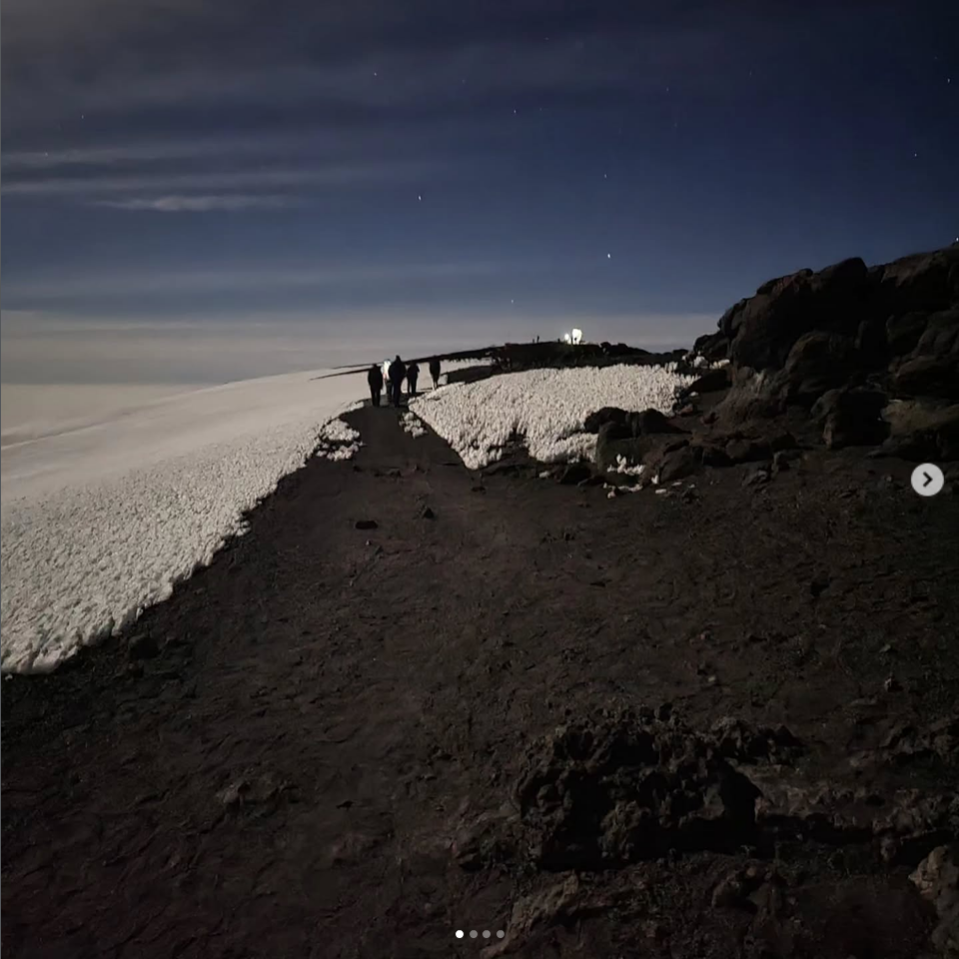
Best Time to Climb Mount Kilimanjaro
When Should You Climb Kilimanjaro?
Mount Kilimanjaro can be climbed throughout the year, but choosing the right season can make a significant difference to your trekking experience. Weather conditions, trail conditions, visibility, temperatures, crowds, and your preferred route all play a role in deciding when to climb.
At Gladys Adventure, we help you choose the best time based on your travel plans, trekking goals, and preferred mountain experience.
The Best Months to Climb Kilimanjaro
January to March — Dry, Cooler & Quieter
January through March is one of the best periods for a Kilimanjaro trek. The weather is generally dry, with clear mornings and excellent opportunities for mountain views.
The mountain can be quieter than during the June–October peak season, making this period appealing to travelers who prefer a more peaceful experience.
Ideal for:
Scenic trekking, fewer crowds, and travelers who prefer a quieter mountain.
June to October — The Most Popular Season
June to October is the most popular trekking period and generally offers favorable conditions on Mount Kilimanjaro. The trails are usually drier, visibility can be excellent, and the weather is suitable for long trekking days.
July and August are particularly popular, so expect more trekkers on the busiest routes.
Ideal for:
First-time trekkers, families, photographers, and travelers looking for generally favorable weather.
October to December — Shoulder Season
October and early November can still provide good trekking conditions, although the weather becomes less predictable as the short rains approach.
December can also be a good time to climb, particularly around the festive season, when demand for trekking and accommodation increases.
Ideal for:
Travelers with flexible schedules who want to avoid the busiest months.
What About April and May?
April and May are generally the wettest months on Kilimanjaro. Rain can make trails muddy and slippery, while cloud cover may reduce visibility.
However, Kilimanjaro remains climbable during this period, and some experienced travelers choose these months because there are fewer people on the mountain and prices may be more attractive.
If you are considering a trek during the rainy season, choosing a route with good shelter and appropriate equipment becomes especially important.
Kilimanjaro Seasons at a Glance
| Period | Conditions | Crowds | Recommended |
|---|---|---|---|
| January–March | Generally dry, cooler | Low–Moderate | ⭐⭐⭐⭐⭐ |
| April–May | Wettest period | Low | ⭐⭐ |
| June–October | Dry and favorable | Moderate–High | ⭐⭐⭐⭐⭐ |
| November | Short rains possible | Low–Moderate | ⭐⭐⭐ |
| December | Variable, festive season | Moderate–High | ⭐⭐⭐⭐ |
Mountain weather can change quickly, and conditions vary from year to year.
Which Month Is Best for You?
There is no single perfect month for everyone.
Choose January–March if you want:
- A quieter mountain experience
- Generally dry trekking conditions
- Cooler temperatures
- Good opportunities for clear mountain views
Choose June–October if you want:
- The most popular trekking season
- Generally dry trails
- Good visibility
- Favorable conditions for first-time trekkers
Choose November or December if you want:
- A quieter experience
- Greater flexibility with travel dates
- The opportunity to combine trekking with a Tanzania safari or Zanzibar holiday
Choose April–May if you:
- Have limited travel dates
- Don't mind wet conditions
- Prefer fewer trekkers
- Are prepared for changing mountain weather
Does the Route Affect the Best Time?
Yes. Different sides of Kilimanjaro experience different weather patterns.
The Rongai Route, which approaches the mountain from the northern side, is generally drier than routes on the southern and western slopes. This can make it an interesting option during periods when rainfall is more likely.
Your route should therefore be selected together with your travel dates, fitness level, available time, and preferred trekking experience.
At Gladys Adventure, our team can help you choose the route that best matches your plans.
What Is the Weather Like on Kilimanjaro?
Kilimanjaro passes through several climate zones as you climb.
Rainforest Zone
The lower slopes are warm, humid, and covered by dense vegetation. Rain is more common here, particularly during the wetter seasons.
Moorland Zone
As you gain altitude, the forest gives way to open moorland with cooler temperatures and changing vegetation.
Alpine Desert
The landscape becomes increasingly dry and rocky, with large temperature differences between day and night.
Arctic Summit Zone
Near Uhuru Peak, temperatures can fall below freezing. Summit night can be extremely cold, especially when combined with strong winds.
This means you should be prepared for multiple seasons during one trek, regardless of when you visit Tanzania.
The Best Time Also Depends on Your Goals
For the Best Weather
June to October and January to March are generally the preferred periods.
For Fewer Crowds
Consider January–March or the quieter shoulder periods.
For Lower-Crowd Adventure
The wetter months can offer a more private mountain experience, although conditions are less predictable.
For Photography
The clearer periods can provide excellent visibility, especially around sunrise and sunset.
For Combining Kilimanjaro with Safari
Dry-season months are particularly popular because you can combine your mountain trek with wildlife experiences in Serengeti, Ngorongoro, Tarangire, and Lake Manyara.
For a Kilimanjaro + Zanzibar Holiday
You can trek first and then continue to Zanzibar for several days of beach relaxation, snorkeling, island excursions, and cultural experiences.
How Long Should You Stay in Tanzania?
Don't plan your trip around the exact number of days on the mountain alone.
Allow additional time for:
- Arrival and pre-trek preparation
- Equipment checks
- Recovery after the trek
- Possible flight changes
- Safari experiences
- Zanzibar or other coastal activities
A little extra flexibility can make your overall Tanzania holiday much more enjoyable.
Why Trek Kilimanjaro with Gladys Adventure?
Gladys Adventure is a locally based Tanzanian adventure company offering professionally organized Kilimanjaro trekking experiences.
Our team helps you plan your climb from the beginning, including route selection, trekking schedules, mountain logistics, accommodation, transfers, meals, and equipment preparation.
Whether you choose Machame, Lemosho, Marangu, Rongai, Northern Circuit, or Umbwe, we help you select an itinerary that fits your travel dates and trekking goals.
Ready to Choose Your Kilimanjaro Dates?
The best time to climb Kilimanjaro is ultimately the time that works best for your travel plans, route, and trekking preferences.
Tell us when you want to travel, and let Gladys Adventure help you choose the right route and plan your journey to Uhuru Peak.
Explore Kilimanjaro Trekking Packages →